homestead1-sm-p1b1ek1pcq1d3s1s8g2fh1lm78ub

Home: InsideOut (2016)
Digial print, Hahnemühle FineArt paper, 841 x1189mm, unframed

Home What is; seen & not seen, shared / not shared, private / public, comfortable and uncomfortable, right / wrong, appropriate and inappropriate, culturally acceptable & culturally offensive, socially desirable or socially outcast, parental approval or parental shame…

Emily Mafile’o (Tongan / Maori / Scottish).
South Auckland proud, originates from H-town.
Influenced by Nan Goldin, Mafile’o photographs what she sees and experiences; her world. She explores the idea of time/ta, space/va and personality. She seeks to evaluate the mundane/ ordinary, creating a chance for talanoa…


banner

Save

Save

Save

Save

le-malelega-a-le-toelau

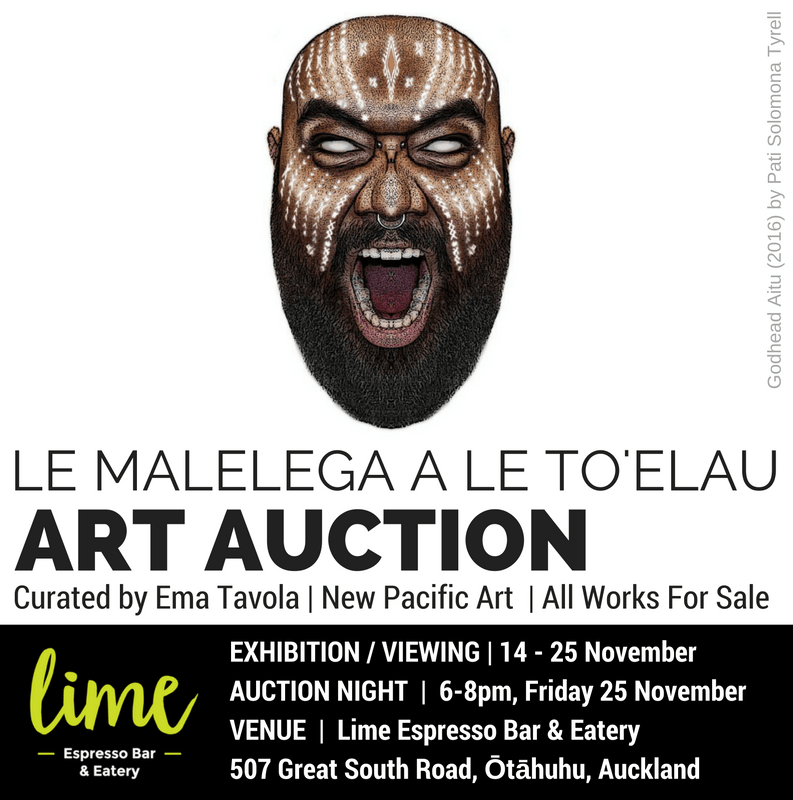
Le Malelega a le To’alau ECE in collaboration with PIMPI are excited to present a special fundraising auction of new Pacific Art at Ōtāhuhu’s Lime Espresso Bar & Eatery!

Almost 20 visual artists have generously donated artworks from photography to prints, paintings and even videography services to support the local Samoan bilingual Early Childhood Centre.

The mission of Le Malelega a le To’elau is to provide quality early childhood education learning and care for Pasifika communities using Samoan language and culture to promote their cultural identity and enhance their success in life.

Initiated by Parents’ Voice, the parents association of Le Malelega a le To’elau, funds raised will be directed towards awesome and enriching experiences for the Centre’s children and their hard working teachers!

The artworks will be displayed at the newly rebranded Lime Espresso Bar & Eatery on Great South Road in Ōtāhuhu for two weeks leading up to the Auction Night hosted by the excellent Yolande Ah Chong!

Pop in to check out the artworks and grab an excellent coffee, a cheeky treat or a great value lunch! Yum!!

  • More information on the artwork coming soon
  • Registration is now online here
  • Keep up to date with event developments on Facebook here

Save

I wrote a response to the 2015 Summer Residency project, between wind and water, produced last year with artists Tanu Gago, Leilani Kake and Luisa Tora for Enjoy Public Art Gallery. The Third Enjoy Five Year Retrospective Catalogue is a beautifully produced, thoughtfully designed publication chartering the last five years of Enjoy’s impressive art history. Pick up a copy for NZD20 here.

Save

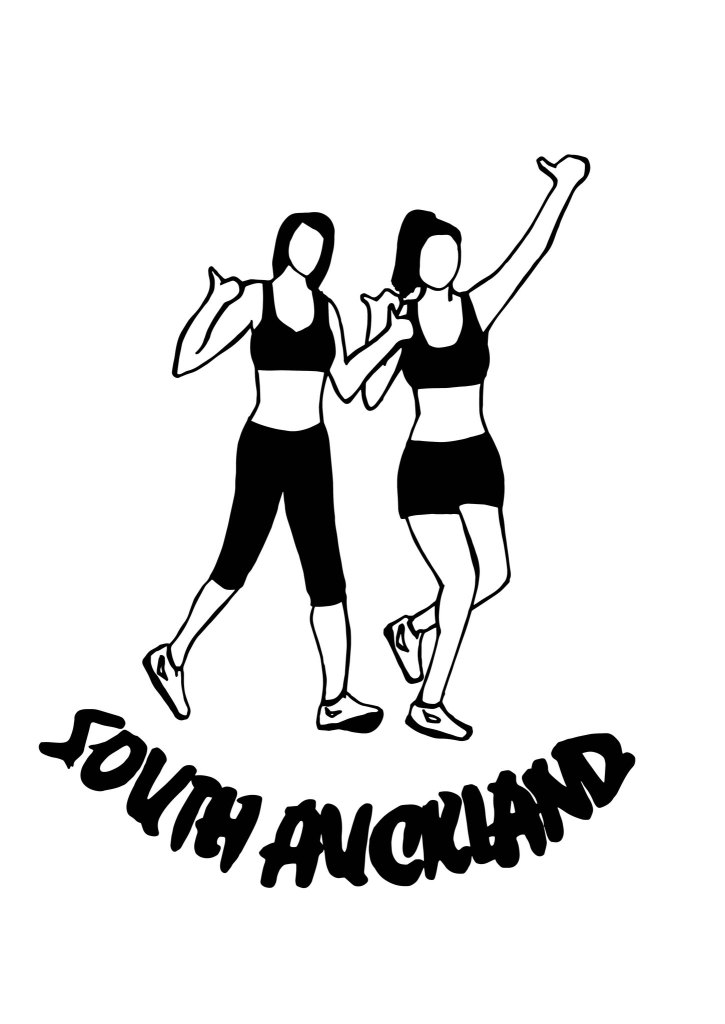
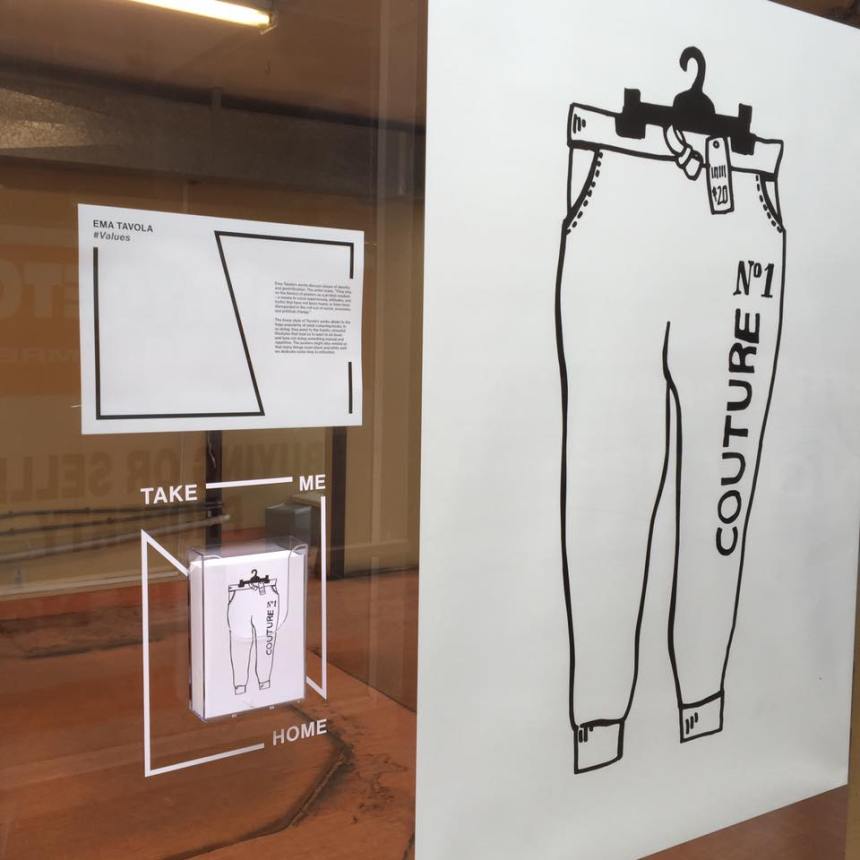
The drawings in this series are six meditations on the creeping gentrification that is increasingly changing the cultural landscape of South Auckland.

I made these works for a pop-up / pocket exhibition project taking place currently in Old Papatoetoe,South Auckland. Organised by The Pantograph Punch and commissioned by Auckland Council, the exhibition takes the form of large format posters in vacant shop windows in the soon to be ‘renewed’ Old Papatoetoe mall.


Sm VALUES (1)In her 2014 TEDxNewYork talk, Dr Stacey Sutton discusses gentrification as a manifestation of inequality. She challenges common misconceptions about gentrification and unpacks the politics of displacement. Although speaking to American contexts, so many of these issues are applicable to the South Auckland situation.

Sm VALUES (6)

The site of the exhibition is the shop windows of empty shops in the Old Papatoetoe mall. So many of the vacant shops had hand-written signs in the window, some directing customers to a new address, others just simply declaring the end of their company’s presence in Papatoetoe. I was interested in the time, effort and emotion it took  to write such an important message, and the tensions of change and takeovers.

Sm VALUES (2)

13700135_1664939870495713_2371007236765785056_n


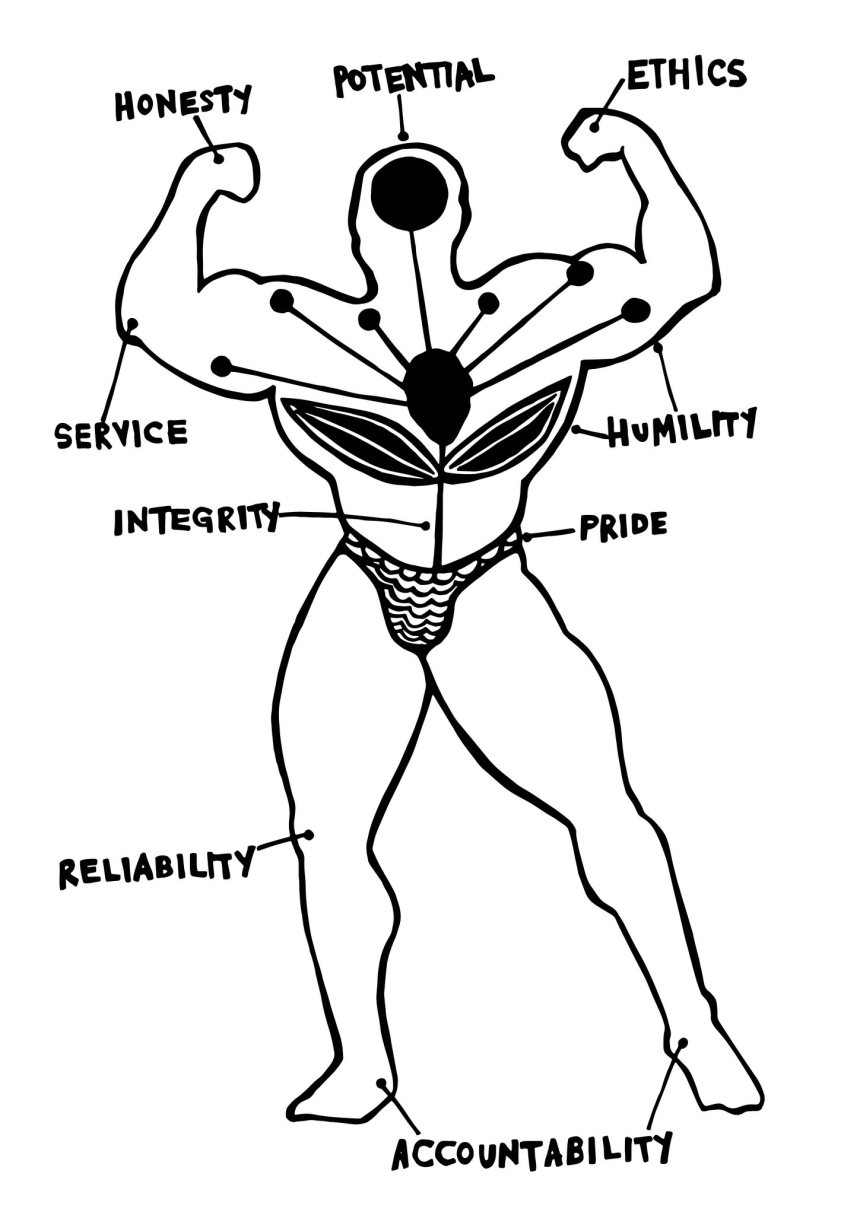
After various recent experiences of the Auckland Council Arts and Culture team, I’ve reflected on the values that could or should underpin arts service delivery and effectiveness from my position as a local artist. The bureaucracy protects and connects, flexing a vision of strength.

Sm VALUES (3)

Old Papatoetoe mall is getting ‘renewed’, Ōtāhuhu is getting a brand new transport depot, Manukau Train Station now brings people to the heart of Southside. Train stations bring all the bucks to the yard, too bad if you don’t live near one.

Check out Postcards from Papatoetoe, a ‘pop-up & pocket exhibition’ organised by The Pantograph Punch in the Old Papatoetoe Mall, St George Street, South Auckland. The exhibition features work by Elisabeth Alani, Quishile Charan and Pooja Subramanian, Liyen Chong, Vinesh Kumaran, Kerry Ann Lee, Lana Lopesi, and Ema Tavola.

Photo credit: Francis McWhannell, The Pantograph Punch

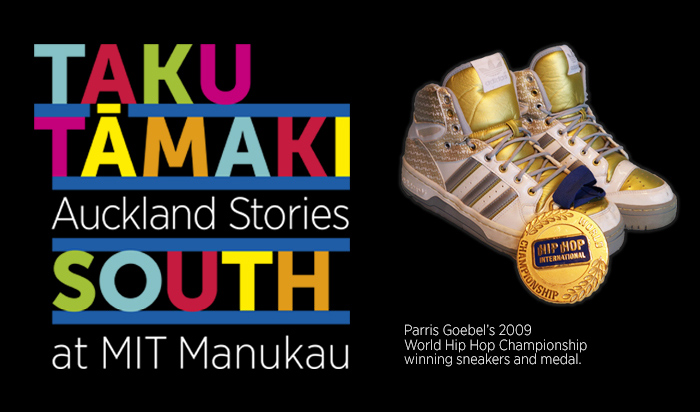
I was privileged to be invited to speak briefly at the opening of Taku Tāmaki – Auckland Stories South at MIT Manukau yesterday. This awesome little exhibition is open for the next year and I love it! Check it out next time you’re in South Auckland. My korero went a bit like this:

I want to acknowledge the speakers who have come before me, it’s my privilege to be standing up here as a local, an artist, and a proud resident of Ōtara-Papatoetoe, South Auckland.

A blog post about the voice and involvement of ‘source communities’ in the curation and management of objects and stories from indigenous peoples has stirred up anger and outrage, sadness and frustration in the past week. Tiffany Jenkins’ polarising perspective has inspired broad commentary about authorship, ownership, racism and privilege which is too often found just below the surface in the international Museum space.

I want to acknowledge Simon and Kelly, Kolokesa and Amiria, an inspiring team of conscious and caring professionals who represent a new era of Museum practice. Bringing this show to us here in Manukau shifts the focus, it re-aligns the centre… an act that quietly changes the game of Museum practice in Aotearoa. Thank you.

It was my privilege to be consulted in the development of this important exhibition. I want to thank the team for listening, accommodating for me and my toddler, taking time to hear and appreciate the nuances of living and working, and feeling proud of being a South Aucklander.

I want to acknowledge the whole team who has created this exhibition – I know that time and energy has gone into every aspect of what we see here, your consideration and attention to detail, your skill and expertise, elevates our stories and I’m grateful for your efforts.

I wanted to acknowledge too that… I’m here on purpose. I choose to live here. This is my place to stand, not by accident, but by informed choice. I migrated to Manukau, not to New Zealand, or Auckland, to this place, and I’m still here because this place gives me life, it settles me, reminds me where I came from and where I can go.

I love feeling so close to the Pacific, I loved being a student and later working at an institution which prides itself on raising the bar of Pasifika achievement. Pacific people feel at home in Manukau because we see ourselves, our norms, our culture and languages represented in our environments. And that helps.

It makes all the difference when our stories and experiences are celebrated, not for overcoming adversity, but for making massive strives for our communities on national and international levels.

I appreciate that this exhibition highlights the socio-economic, political and historical forces that shape our lives here in Manukau. These factors affect and inspire so much of the vibrant culture of creative expression, of visual and performing arts, of music and spoken word that are proudly coming out of our art centres, our churches, homes, halls and neighbourhoods.

I learned my craft as a curator here at MIT; I learned to appreciate the value of creativity and the value of my position, my space, my voice and context. MIT opened doors to me I hadn’t even considered, and I’m incredibly proud to take this institution with me wherever I go.

Although I now find myself working outside of the Arts, Manukau reminds me every day that art is a vehicle to talk about people, and culture and belonging, and when those things are in the foreground, when those stories and nuances are heard, reflected and honoured, a community thrives, and that’s where I want to be.

A last acknowledgement; to Vinesh Kumaran, the photographer, creative visionary whose talent I’ve been privileged to feed off for the past decade – thank you. And to my colleagues from Healthy Families Manukau, Manurewa-Papakura – I’m on a new journey of service and celebration with you, for the love of South Auckland, thank you for your support.

Vinaka vakalevu, fa’afetai tele lava, malo ‘aupito.

1 Comment

Gallery Notebook, Wellington High School (1999)

I’ve been thinking a lot recently about what it would take to open my own gallery. I read a review of Peter McLeavey’s biography by Jill Trevelyan in an old Art New Zealand the other day, and it made me think about Peter McLeavey Gallery, and my first encounter with the space in 1999, aged 16.

Peter McLeavey passed away yesterday and I’ve been feeling heavy hearted because I suspect (like many people whose lives he touched) his influence may have steered my path clearly, and confidently, towards a life of art.

At 16, I was quite shy, but an art history assignment at Wellington High School required students to visit local galleries in order to write reviews and observations in a Gallery Notebook. I remember going to Janne Land Gallery, City Gallery Wellington and Photospace once or twice, but I returned to Peter McLeavey Gallery over and over again. I had conversations with Peter every time I visited, he took the time to talk to a shy teenager about painting and history, Māori-Pākehā dynamics, about installation and visual language. I think he was slowly blowing my mind, and I started to feel completely at ease and empowered in the space between art and audience.

I went from high school to art school, and into the workforce; I peaked pretty early, running a Council funded gallery at 23, producing festival programmes, shows upon shows, editing publications, banging on about Pacific art to everyone I met. In the midst of the awkward process of re-entering the full-time workforce having worked myself into a fairly defined niche, I’m now measuring, planning, psyching myself up to do it solo: open my own gallery, because literally, it’s where my path has led me.

I moved away from Wellington and didn’t get the opportunity to speak to Peter McLeavey again, although I popped in whenever I was in town. I started following Richard Killeen on Instagram this year, and spent three gorgeous weeks in Wellington in January, across the landing at Enjoy Public Art Gallery for their Summer Residency. I keep encountering Peter McLeavey indirectly, and keep thinking about those early visits and the way they shaped my trajectory.

Art dealing in South Auckland in the 21st century is another kettle of fish, but the space between art and audience remains, and it’s here I think Peter McLeavey showed me the power and potential of informing, listening, engaging, opening minds, enabling and celebrating art and artists. What an amazing individual, a complete game changer.

RIL Peter McLeavey

I was invited by Ioana Gordon-Smith and Lana Lopesi to write one of five feature articles on the subject of community art for Localise, a temporary newspaper publication that accompanied this year’s Whau Arts Festival. Check it out…

When stars align

The idea of community arts is a loaded, emotional topic for me; my position is muddied by several competing tensions.

Being a Pacific Islander, in diaspora, being a marginalised ethnic(mixed race)-other in the context of dominant culture.

Being a former public servant and messy restructure refugee in post-Global Financial Crisis, National Party-led New Zealand.

Being over-qualified and under-employed.

Being poor.

Being privileged.

Having the agency to be outspoken about all of the above.

But mostly, being an artist based in the Ōtara-Papatoetoe area of Manukau/South Auckland, where I’ve lived for most of my adult life.

I’ve been a vocal critic of the ways ‘arts and culture’ are delivered as public service in my city in recent years. From public art decisions to cronyism and questionable curating, I’ve come to think that in between my ideas of best practice and what “aspirational”[i] programming looks like to the powers that be, there is a galaxy of disengaged stars and black holes of cosmic confusion.

On my planet, aspirational community arts programming is about people first, art second. It’s part grassroots, part global, part digital, part old school. It’s all ages, all the time. It’s holistic and healing. From my lived experience on this far-flung planet, worlds away from Auckland’s Queen Street, the arts are people-centric, voice-enabling, capacity building.

If a community arts centre was to reflect my aspirations, the power and potential of local artists would be harnessed and honed, supported and celebrated. You could spend hours at my aspirational art centre; meeting people, laughing, being moved, playing, thinking. As an artist, you would feel empowered knowing your contribution to the world is valid, and you’re part of a global community who reflect and respond to their lives and environments through creative languages.

This aspirational community arts centre would prioritise those who are local to the area in which it sits. It would have a firm grasp of the histories of its space and residents, and the experiences of those who live, work, shop… struggle and thrive within its shared environment. It would be sensitive towards vulnerable groups, and understand and promote the potential of art to heal, engage, open minds and affect change. Through this knowing, it would be able to offer profound and grounded experiences to visitors from beyond the area, who are afforded an insight into a unique community, as represented through its arts and people.

Exhibitions at this aspirational arts centre would be diverse and exciting; every single one designed with the audience in mind – children, tourists, old people, young people, critics… mums, dads, cynics, bureaucrats. Exhibitions wouldn’t please everyone all the time, but clever interpretive texts, bold and innovative public programming and user-friendly curating would help break down perceptions of artistic elitism. Exhibitions would be programmed by a committee of strategic, brainy, community-minded individuals, 75% of whom would be local residents to capture the vested interest that only locals can impart on decision making that affects their own community.

Exhibition proposals would be welcomed all year long, and this community arts centre would host free exhibition planning workshops and curatorial skills seminars, because the community would be seen as an immense creative resource, not a threat to curatorial egos. Artists, curators, marketers, film makers, project managers, musicians, brokers and advisors would be invited to monthly networking hui with inspiring speakers, arty speed dating and locally sourced catering.

Exhibiting artists would spend time in this community of mine, understanding, talking, responding to the site their work would sit within. Their exchanges would be respectful and reciprocal. Meaningful engagement with local people and groups would be the primary measure of success in this aspirational arts centre, not incentivised surveys taken at exhibition openings, or reviews in mainstream media.

This aspirational arts centre would constantly question its own practice, and listen, all the time. It would draw on the knowledge and insights of audiences to understand what works and what doesn’t, call on artists to inform its creative services, consult with businesses and NGOs to develop collaborative projects and partnerships. As an evolving space, change would be exciting and considered, not threatening and personal.

As a space activated by people, it would be proud to provide areas for gathering, for sitting and talking, for breastfeeding, singing softly to babies, for calming toddlers. Spaces for raucousness, for reading, spaces for privacy.

And there would be coffee… the best coffee in town! The kind that people would drive for, that makes the heart beat faster, and it would be good, really good, every time. The café owners would be happy because this aspirational arts centre would attract diverse audiences every day. Excellent WiFi, comfortable seating and lots of plants and natural light would make this the freshest spot in town and people would come back again, and again.

My aspirational community arts centre would be integrated fully and purposefully into its natural, social, cultural and economic landscape. It would host meetings, training sessions, pop-up art sales, poetry, performances, workshops, product and book launches. It would respond to the needs and interests of its community and be transparent about its agendas. Good governance and effective leadership would be practiced, encouraged and promoted. The centre’s internships would be so well designed that it would become a turbine for community arts leaders, enablers, movers and shakers.

Artists would be on waiting lists to be part of the rich and vital professional development programme this arts centre would offer! In workshops and seminars, projects and publications, artists would have the opportunity to learn about pricing and selling their work, diversifying and monetising a creative practice, writing artist statements, proposals, bio notes, starting blogs, taking good photos, project management and communication skills, marketing, branding, budgeting, funding…

In my community, the economic potential of creativity is rarely demonstrated; the creative industries are hard to quantify when most artists people know are teachers / WINZ case managers / administrators / call centre operators / video shop clerks / road workers… or on the dole. My aspirational arts centre would understand this reality.

Exhibitions and events are great, but education pathways and tangible opportunities, role models and success stories are necessary to make the creative industries visible, tangible and accessible.

Here, the WORD art is unpacked, redefined, owned / disowned. Art is inextricable from people; it is embedded in culture, intuitive and empowering, a gift and a privilege. My aspirational art centre would discredit the common perception that Pacific youth somehow have disproportionate talent in the creative arts, because the potential of Pacific youth is limitless, in any field.

And everything this aspirational arts centre would deliver would be underpinned by an acute understanding of service, audience and accountability.

Back in reality, my local community arts centres are still galactically dislocated from my expectations and aspirations, which are grounded in 15 years of living, breathing, loving, teaching, hyping up, blogging, picking up, framing, hanging, installing, advocating, hosting, buying, selling… and listening to artists from my community.

I think longingly of the kind of programming, partnerships and innovation that happens in places like Studio Museum Harlem, the incredible and inspiring entrepreneurialism of local artists in Bandung, Indonesia, and the way the four-yearly Festival of Pacific Arts embraces the breadth of socially and culturally entrenched creative practices, from healing arts to tattoo, poetry to pan-pipes and literally everything in between. I think about the site specificity and casual sophistication of Footscray Arts Centre in Melbourne, and the effortless cool of the The Dowse Art Museum in Lower Hutt.

In New Zealand’s largest and most ethnically diverse urban centre, the country’s super city guinea pig, the local has become the pan-local. Territory gained in wholesale branding and global rankings of ‘liveability’, is lost ground in terms of social inclusion, meaning and mana.

How do we measure quality in the delivery and presentation of community arts / art in community spaces?

Ask, listen and take time to understand the community’s aspirations. Respond, enable, facilitate, and channel resource. Watch the stars align.

Ema Tavola
October 2015

[i] Scott, H. (23 March, 2014). Local galleries and the community. Retrieved 29 August, 2015, from http://www.radionz.co.nz/national/programmes/standing-room-only/audio/2589956/local-galleries-and-the-community

IMG_2696

Whilst I was in Suva last month, project managing / co-curating The Veiqia Project and the important process of embedding and grounding the project in Fiji, I started to tune into how many people were asking for meaning, as in digestible translations of the visual vocabulary of Fijian qia or tattoo markings.

The Veiqia Project is a creative research project that has engaged seven Fijian artists to uncover, encounter and respond to the practice of Fijian female tattooing through museum visits, dialogue and literature. Four of the seven artists were able to travel to Fiji to undertake research, talks and meetings and spend time with Melanesian tatu practitioner Julia Mage’au Gray (Papua New Guinea – Australia), who has been researching and reviving tatu practice from Central Province, Papua New Guinea, and developing understanding of its wider relationship to tattoo practice across Oceania.

We came across some fascinating illustrations of qia motifs and designs in the Fiji Museum library. They were recorded in the late 1800s and said to be from the province of Ra. Whilst some notes were made on what the motifs represented (from the perspective of the non-Fijian author), it feels as if meaning associated with this visual language is not something we will ever fully understand.

The artists are working hard, excavating the social, cultural, artistic contexts of the practice of veiqia / Fijian tattooing. And it’s here, meaning is made; they will each interpret their experience of uncovering  knowledge about our cultural heritage as Fijian women into new work, and it’s hoped that the exhibition will tour, evolving to include more Fijian artists and communities.

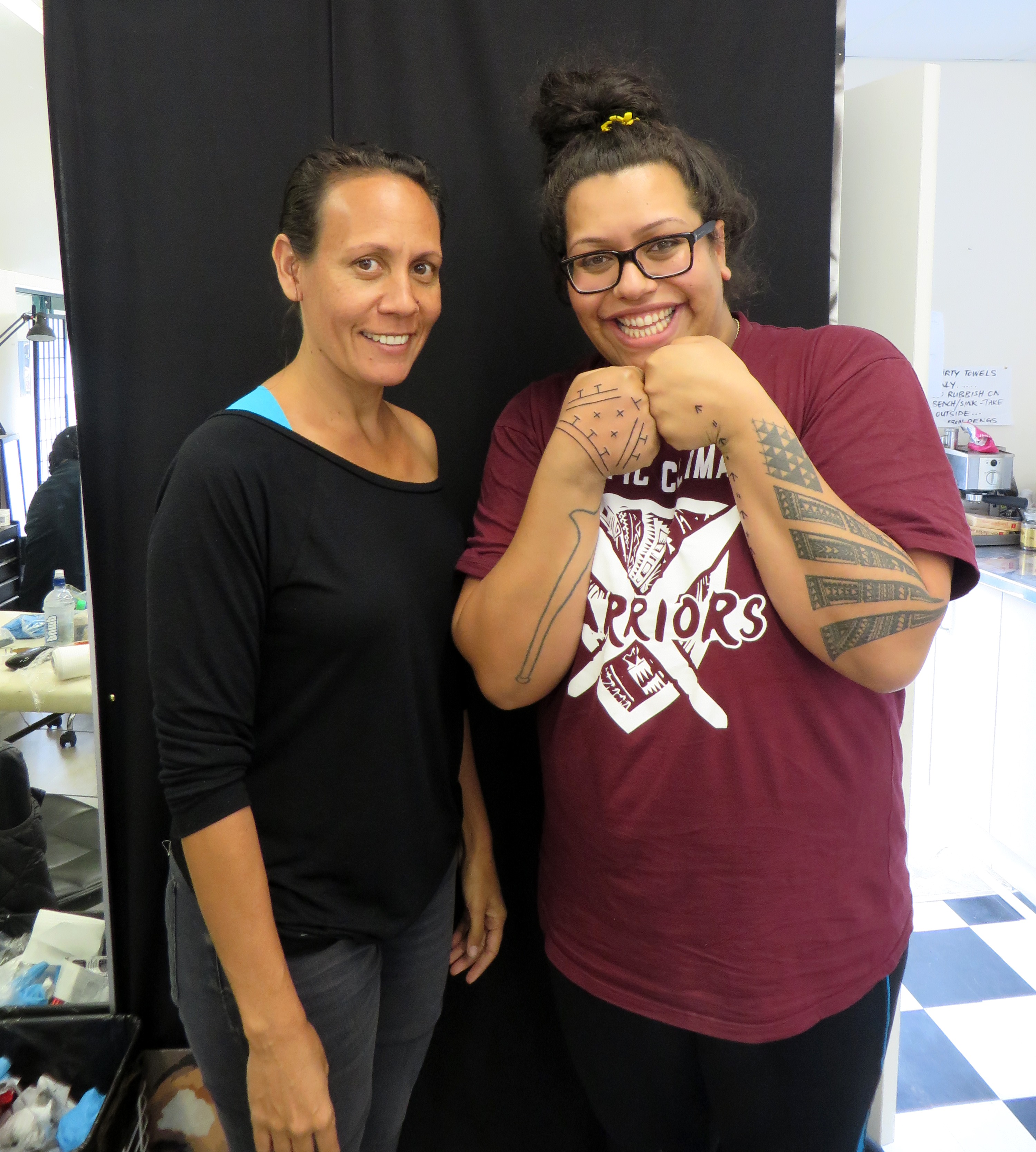
I was tattooed over the weekend by Julia in Auckland at Big Willie Legacy Barber & Tattoo Studio. She marked both my arms and hands with qia motifs and symbols we encountered in Fiji. For me, the meaning of these marks is related to revival and memory, Fijian art history and the power and prestige of an artform reserved exclusively for women and girls. These tattoos are part of my identity as a Fijian woman, as an artist, as a Melanesian. The meaning of my marks in 2015 is mine; they sit between you and me, perception and reality, art and context…

I woke up yesterday thinking, of all my tattoos, these are my most important marks. They challenge ideas about beauty and aesthetics, history and colonisation, gender and power; they visualise my position, and galvanise my love and loyalty for Fiji.

Back in Suva stomping old ground, learning a lot and feeling so excited for The Veiqia Project! So gloriously un-academic, and safe from territorialism, this trip has been deeply inspiring…

The Veiqia Project is a creative research project investigating the practice of Fijian female tattooing; it will culminate in an exhibition due to open at Auckland’s St Paul St Gallery 3 in March 2016, timed to coincide with the Pacific Arts Association XII International Symposium and Auckland Arts Festival. The exhibition will feature new work by seven contemporary artists from Australia and New Zealand. Through a shared online research forum and time spent with Fijian collections at museums in Australia, Fiji and New Zealand, the artists have generated an indigenous research archive driven by personal, artistic and relational connections.

A significant Creative New Zealand grant enabled New Zealand-based artists Margaret Aull, Joana Monolagi, Luisa Tora and myself to travel to Suva to meet Australia-based artist Dulcie Stewart and co-curator, Tarisi Vunidilo, to conduct research at Fiji Museum, host two public events, meet and hear stories from a broad range of artists, experts and academics. A special invitation was extended to Darwin-based tatu artist / film maker / choreographer, Julia Mage’au Gray, who contributed knowledge and insights on tattoo design, protocols, inspiration and the wider globalised challenges of appropriation and intellectual property protection.

This week, we all start to trace the well-worn paths back to our diasporic other-lands. The Veiqia Project has been grounded and expanded, it has become a catalyst and a trigger, a call to action and a gentle reminder that this particular approach to creative research is tangible and social, genuine and emotional, intersectional and multidimensional… and not at all academic.

Thank you to our project partners: Creative New Zealand, Fiji Museum, Fiji National University School of Creative Art, Sangeeta Singh Photography. Thank you to our friends and families who have fed and watered us, driven us around and lent us cars, cameras, drawing skills. Thank you to the staff at the Fiji Museum, especially Mere, Mereia, Prakashni, Ratu Sela, William, Raijeli and Elenoa. Vinaka Jane Ricketts and the resident artists at Tagimoucia Gallery. Thank you Twitter fams, @gurumi, @sharky_fj and @fijiandiva104! We are all truly grateful!

v i n a k a   v a k a l e v u

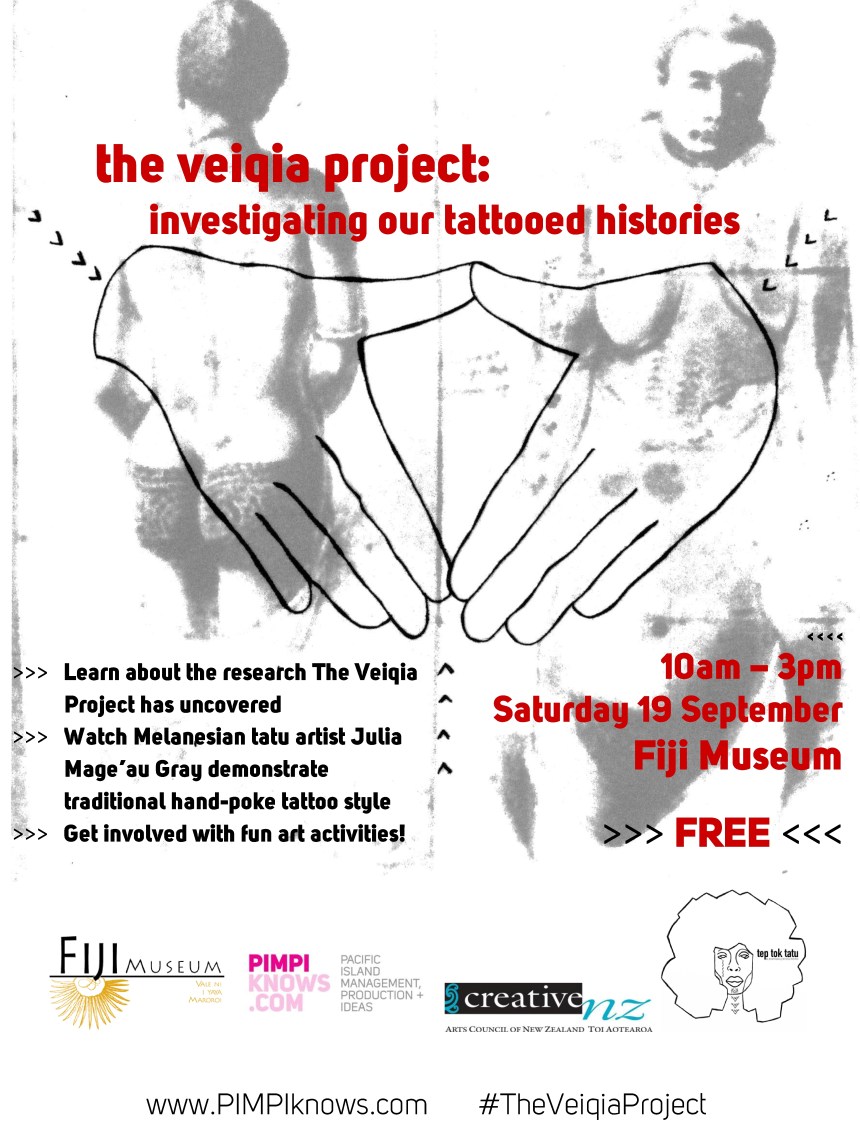
The Veiqia Project Fiji Museum event, 19 Sept


Event Enquiries

← Back

Thank you for your response. ✨

Warning
Warning
Warning
Warning

Warning.