Vunilagi Vou's avatar#OTARAfest

As part of the exhibition, Fresh Out of School, MIT Faculty of Creative Arts alumni Nicole Lim and Ema Tavola are presenting a crash course in visual arts professional practice at Fresh Gallery Otara from 12.30-2pm on Saturday 26 October.

Graduating with degrees in Visual Arts, both Nicole and Ema have spent most of their professional lives working at Fresh Gallery Otara and within the context of local government community arts delivery in South Auckland. Combined, the two have over 10 years worth of knowledge and experience from working with emerging and established local, national and international artists from diverse backgrounds. They have both developed strong professional practices in the areas of project management, administration, collaboration and partnerships.

The Professional Practice 101 workshop will offer participants an overview of the process of exhibition making, advice on engineering a web presence, documenting and writing about art, promotion, criticism and networking…

View original post 37 more words

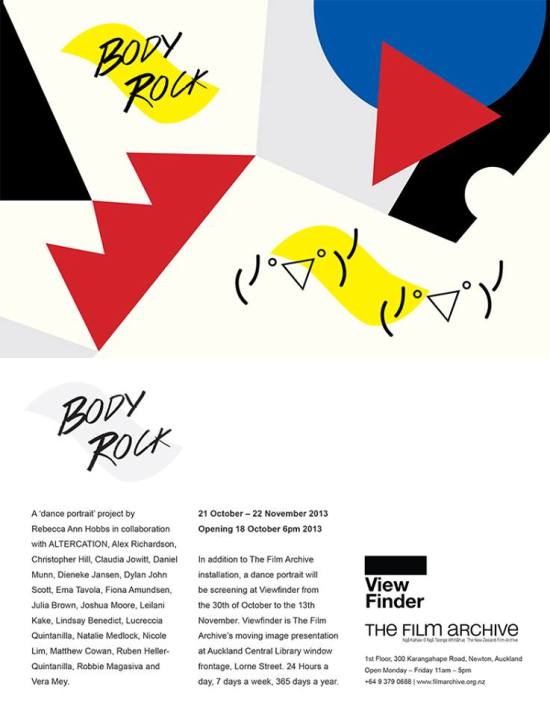
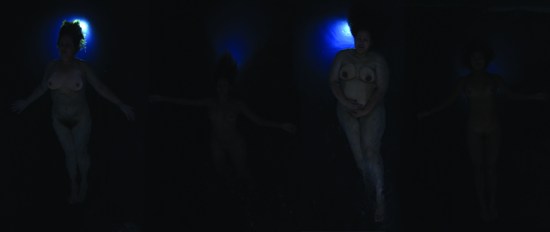
I’m excited to have been part of Rebecca Ann Hobbs‘ dance portrait project. Her new solo exhibition, Body Rock opens this Friday a The Film Archive Auckland Office, 1st Floor, 300 Karangahape Road, Newtown, Central Auckland.

I wrote a profile on Rebecca for Eyeline magazine in 2011, read it here. And read more about Body Rock here.

For the past month, I’ve been coordinating a public events programme called OTARAfest on behalf of the Faculty of Creative Arts at Manukau Institute of Technology here in South Auckland. It falls under the umbrella of Auckland Council’s Southside Arts Festival but as a point of difference, OTARAfest is positioned to benefit, speak to and engage Otara and South Auckland audiences first and foremost.

The newly refurbished Fresh Gallery Otara is the centre of the OTARAfest programme. The Gallery’s large open space will be used for gatherings, performances and a workshop on professional exhibition practice. Two new outdoor exhibition platforms will also be formally launched during OTARAfest; the OTARAcube – a 10×10 foot customised container located in the Otara Transport Precinct, and OTARAlights – a series of five light boxes installed in the vicinity of Fresh Gallery Otara.

Pulling together the programme for OTARAfest has been a nostalgic and heartwarming experience; so much of it reminds me of the South Auckland Pacific Arts Summit. Having worked, lived and studied in and around Otara for the past decade, it is familiar territory; there is an accountability that comes with connectedness.

OTARAfest is largely funded with the agenda of revitalising the Otara Town Centre; all but one of the events are free and many are purposefully integrated into everyday life, using outdoor and community spaces as well as the significant audience of the weekly Otara Flea Market.

I appreciate site-specificity and social, historical and political consciousness as key considerations in event delivery. I’m also excited about the new direction of MIT Faculty of Creative Arts and so pleased that its geographic and cultural context is informing and inspiring a new consideration of the value of arts education in South Auckland. Read more from Grant Thompson, Executive Dean – MIT Faculty of Creative Arts.

OTARAfest launches at Fresh Gallery Otara from 6pm on Thursday 17 October at the opening of Fresh Out of School, an exhibition featuring six new graduates from MIT Faculty of Creative Arts. All welcome!

Read more about OTARAfest events here

Mereia, BLOOD+BONE series

Mereia was originally made for my 2009 solo exhibition, BLOOD+BONE

This work was always special to me as it’s a portrait of my older sister. This series of hi-viz vest portraits was made to represent the safety and protection of various women in my life during the period of time after I left my marriage. The series is about visibility and acknowledging those whose love and support was a guiding light through a period of intense darkness.

Mereia is currently being framed for the King’s College Fine Art Sale from 8-10 November. The annual event takes place at the school grounds on Golf Avenue, Ōtāhuhu, South Auckland. I’m part of the Ōtāhuhu Arts and Culture Sub-Committee of the Ōtāhuhu Steering Group; this year we’ve successfully advocated for the inclusion of a small group of local artists in this prestigious and high profile event. I’m exhibiting two works and also speaking on Sunday 10 November in the Speaker Series. Other artists representing Ōtāhuhu are Leilani Kake, Jeremy Leatinu’u and Molly Rangiwai McHale.

More information coming soon!

1 Comment

Last night was the launch of the Southside Arts Festival programme at the Fale Pasifika, the University of Auckland’s Samoan fale – a symbolic commercial events space attached to the Centre for Pacific Studies. I gatecrashed with a friend; we left Papatoetoe in South Auckland around 5pm and sat in peak hour traffic and rain for an hour discussing the confusion of travelling almost 20 kilometers from South Auckland to central Auckland to celebrate the arts and culture from our neighbourhoods.

The theme of this year’s Festival is seemingly Pasifika – the mythological amalgamated brown state of watered-down Polynesia. The aura of cultural awkwardness is palpable upon arrival.

Whilst artificial flower lei or garlands are commonplace greeting protocol at ‘Pasifika’ events in New Zealand, guests were gifted beautiful hand-made ribbon garlands; a different but problematic shift in materiality and meaning. For me, the gifting and receiving of garlands, particularly those hand-made by a Pacific artists, carries significance and mana that far outweighed the cultural currency and credibility of this event and its efforts to represent Pacific arts or culture or even, ‘Pasifika’.

The speeches, performances and rabid back patting of Council’s arts team were background noise as I glanced upwards towards Sopolemalama Filipe Tohi‘s intricate woven lalava that adorns the internal structure of the fale. This is also the place were Cook Islands curator Jim Vivieaere was farewelled in a beautiful and poignant funeral service in 2011.

Experiencing this launch with a critical eye is informed by my history of delivering and advising on Pacific art events in South Auckland. My involvement with the Southside Arts Festival is also deeply engrained, personal and political. I sat around the concept table to develop the first Manukau Festival of Arts in 2008 and delivered events that contributed to the annual Festival’s identity until I left the role in 2012. When Auckland Council was formed, the Festival was rebranded as Southside Arts Festival and is now delivered by a group of regional programmers who are presumably aiming to build and evolve the Festival’s brand and identity.

Thinking about the history of the Festival, the situational dislocation of this launch and this year’s superficial cultural referencing lead me to reflect on the value of understanding relevance, audience and artists. I’m somewhat amused that the artist employed to contribute original artwork to this year’s Festival look and feel is also well-known amongst certain audiences for his explicit pornographic references and borderline misogynistic messages. When Jacob Sua made his ‘South Auckland’ work for the 2005 Vodafone Digital Art Awards with his vectorised hibiscus and electrical cabling, it was really fresh and new.

The 2013 Southside Arts Festival programme itself is forgettable. When so much has been seen before or can exist in any space, the relevance to South Auckland audiences is weaker than ever. I’m involved in the OTARAfest event – a stand-alone programme of events happening in and around the Otara Town Centre, and have lots of love and respect for Painting for the People (PFTP) who are delivering the Mangere Library Mural Project; interestingly, OTARAfest and the PFTP event are listed under ‘Community’ and as someone noted, featured on the brown pages of the printed programme. Lol.

The Pacific Arts programmer role at Auckland Council has been advertised and re-advertised for months and the lack of cultural advice and/or leadership in the delivery of an event that is based on the promotion of Pacific art and culture, is quite evident.

This kind of thing should be done better, or not at all. Perhaps public money is better spent on empowering local communities to create and deliver their own events, developing capacity and leadership and promoting sustainable business models informed by and symbolically rooted in South Auckland spaces. #JustSaying

I had a wickedly good time with Yolande Ah Chong on the Radio531pi Breakfast show this week!

Radio531pi is a grassroots Pacific station based here in South Auckland, part of the Pacific Media Network that also delivers NiuFM, a nationwide radio station targeting a younger demographic. It’s Tongan Language Week here in New Zealand; an initiative to promote the teaching and learning of the Tongan language and encourage its use in the home, in education, at work, in government, media, sports, the arts, church and community! The Pacific Media Network offices are decked out to the max: Tongan bark cloth and mats line every wall, there are beautiful floral arrangements in every corner, a Tongan flag across the Reception desk and prints of Tongan monarchs dating back to 1875 show an intriguing transition of leadership looks!

On Facebook, I’ve been posting some Tongan art, artists and inspiration this week. The Auckland art collective No‘o Fakataha is a good source for contemporary Tongan art and artists as is the suburb of Ōtāhuhu in South Auckland! Ōtāhuhu has been on my mind this week; I’ve been investigating a model of mapping the suburb’s creative capacity, thinking about businesses that employ, value and sell creative products and services. Studio 8 Tattoo opened a couple of months ago on Saleyards Road; they have five resident tattoo artists working onsite. With the new bus-train interchange proposed at Ōtāhuhu Train Station, Saleyards Road is probably a good place to be in the coming years.

I’m excited to be attending Survive & Thrive next week at AUT University thanks to Arts Regional Trust Te Taumata Toi-a-iwi (ART). It’s always good energy being around innovators and entrepreneurs – I’ll be live tweeting and contributing some PIMPI insights to the #SurviveThrive dialogue!

Tautai Contemporary Pacific Arts Trust just opened its annual tertiary student exhibition at St Paul St Gallery in central Auckland. The exhibition features a number of student artists, including Fijian artist / activist / writer Luisa Tora whose work, Seamy (2011) was originally part of the diasporadic679 exhibition project that acknowledged Fiji Independence Day in October 2011.

I’ve worked with Luisa on a number of projects and she was even the subject of an artwork I made for my 2009 solo exhibition, BLOOD+BONE. Two of the works from that exhibition along with another painting on Fijian masi (bark cloth) are part of the upcoming Kings College Fine Art Sale taking place from 8-10 November. I’m also part of the event’s speaker series and planning a meaty talk about the politics of representation regarding curating, art making and advocating for Pacific art and artists. Watch this space!

I only wrote 15 posts for the #31WriteNow blog challenge; it was hard and rewarding… but raw at times. August has been a month of travel, migraines, jet lag, art beef, heartwarming support, too many I-don’t-smoke cigrarettes, and some really exciting opportunities.

After an adrenalin-fuelled fundraising effort and a whirlwind trip to the other hemisphere, the latter half of August has been a relative return to normality. My mind has been boggling with ideas about creative ecologies after hearing a presentation by Auckland policy researcher, Elise Sterback, and I’m busily writing assignments about funding, project management and the creative capacity and potential of the South Auckland suburb of Ōtāhuhu.
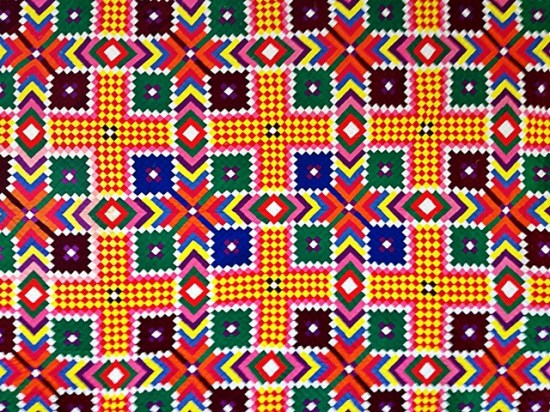
A new exhibition called Pirianga Toto – Blood Ties opened at Fresh Gallery Otara; it’s a welcome return to the grassroots programming the Gallery is known for. Curated by Leilani Kake, the exhibition draws on the work of customary and contemporary Cook Islands artists and features painting, experimental installation, video, Tivaevae and crochet. Follow Fresh Gallery Otara on Facebook for public programme announcements.

Part-Fijian playwright and director Toa Fraser’s 2006 film, No.2 aired on Maori Television in late August. I used to have problems with this film but it made me surprisingly emotional to watch it again seven years later. Originally, I felt short-changed that a film loosely based on a Fijian family starred more Māori and Samoan actors than Fijians. When I watched it this time around, I felt it was actually very much a New Zealand fruit salad story; part lost, part rooted, still slightly cringe-inducing, but somewhat comforting.

I’m back on board with some really exciting MIT Faculty of Creative Arts projects coming up in the next two months and can’t wait to teach the Pacific Art Histories: An Eccentric View paper again next year. I spoke in mid-August to postgraduate students at the University of Auckland and I’m planning a gutsy talk for the Kings College Fine Art Sale speaker series in early November.

August has been a fairly transformational month. I’ve been quietly weighing up the potential of staying in Auckland against a recurrent urge to relocate back to Suva, Fiji. Getting to the Pacific Arts Association 11th International Symposium in Vancouver was almost a year long project; closing the book on that has been a welcome relief. I gave up blogging every day around mid-August, but kept on working, hustling, writing and planning.

My partner’s father, Tu’i, has been dealing to my knots, stress and aches for the past few months with Tongan massage. I usually mentally psych myself up for what can feel like a hiding in slow motion; pressure points ache and burn, and when standing, my knees feel like jelly. But today Tu’i declared, somewhat surprised, that I was OK – no knots, no tightness… no pain.

The #31WriteNow blog challenge forced me to write, declare my position and stand by my words. With almost 3,500 hits in one month, the initiative was a successful means of generating awareness, traffic and discussion. Having worked in relative isolation for the past year, hyper-blogging for 15 days was more exposure than I had anticipated – but thank you for reading, liking and sharing and hello new followers and friends!

Some of the references discussed in a guest lecture about curatorial practice hosted by the Department of Art History, University of Auckland.

South Style
An exhibition pairing South Auckland designers, Ofa Mafi and Allen Vili aka Onesian, with photographs of street style shot at the 2009 ASB Polyfest by Vinesh Kumaran. South Style was curated to recognise Fresh Gallery Otara’s third anniversary in May 2009.

The Polyfest Hair Project
A photographic project developed as part of WWJD, an exhibition curated to recognise Fresh Gallery Otara’s sixth anniversary in May 2012. The Polyfest Hair Project was a follow-up from the South Style exhibition and is part of a trilogy of Polyfest photo essays made in partnership with Vinesh Kumaran.

A video about the exhibition, WWJD made by Tanu Gago:

MyFace
MyFace was Janet Lilo’s second solo exhibition at Fresh Gallery Otara; it was installed by Nicole Lim and Ema Tavola.

small axe 09
A video project developed for the ARTSPACE New Artists Show curated by Emma Bugden in September / October 2009. The video was created in partnership with Janet Lilo and featured artist contributions by Tanu Gago, Leilani Kake, Visesio Siasau & Serene Tay and Angela Tiatia. The full video was over 50 minutes long; this is a trailer:

YOU LOVE MY FRESH
A solo exhibition by Tanu Gago curated for Te Tuhi Centre for the Arts in September – December 2010, programmed as part of the Manukau Festival of Arts.

drawing south auckland
An experimental exhibition inviting gallery visitors to contribute to a collective drawing installation at Fresh Gallery Otara in November 2010.

Nga Hau E Wha – The Four Winds
A solo exhibition by Leilani Kake, curated for the Auckland Arts Festival, March – April 2011.

Pacific Arts Summits (2010 – 2012)
A programme of events surrounding Fresh Gallery Otara’s anniversary. Originally called the Manukau Pacific Arts Summit and later on, the South Auckland Pacific Arts Summit. The Curating Pacific Arts Forum was delivered first in 2010 at the Fo Guang Shan Buddhist Temple and later at AUT University’s Manukau campus. In the third year, the Forum was replaced with a series of dialogue events called Hump Day Art Talks.

The paper I recently delivered the the Pacific Arts Association International Symposium can be read here.


Photo by Sean Atavenitia

I got a reminder the other day that I’ve been blogging with WordPress for seven years. I found my first post on my first blog and see that whilst so much has evolved, my politics are relatively unchanged.

I’ve received food and emails, text messages and phone calls to offer support and comfort after a week of word wars generated from my outspoken commentary of things that happened at the Pacific Arts Association (PAA) 11th International Symposium. I’ve spoken at length with my friends and family about loyalties, change, challenge and values. Accountability to audiences and funders has been thoroughly scrutinised in the past two weeks both online and off.

The next PAA International Symposium will take place in three years time in Auckland, a compelling context to this forum of dialogue. In various conversations with members of the PAA Executive Committee, I’ve expressed excitement for the fact that Auckland has the potential to make Aotearoa’s Pacific community visible and truly relevant. With the Pacific on Auckland’s doorstep, the next PAA International Symposium also has the potential to draw on the real movers and shakers of the Pacific art world, those who locate their practices, thinking and loyalties in the Pacific proper, and within the realm of Pacific people.

I watched Associate Professor Damon Salesa from the University of Auckland deliver a groundbreaking public presentation earlier this year. He introduced the notion of segregation within the consideration of Auckland as a Pacific city. His presentation exposed the heart and nerves of Pacific Island struggle, representation and social development in Aotearoa. Read more here.

In a recent interview for The Pantograph Punch, Samoan writer Daniel Satele referenced Salesa’s idea of social segregation with regards to my efforts to privilege Pacific audiences in the presentation of Pacific art and ideas. Having my position and curatorial practice questioned and abused over the past few days, I feel even more comfort in knowing that understanding, serving and feeding into the social development of Pacific people is where my heart and energies lie.

The next PAA International Symposium in Auckland will be great; I’m not sure if it’s the right forum for me, but I can certainly see a lively and robust programme of complementary events that will undoubtedly secure Auckland’s rightful place as a hub for Pacific art production, appreciation and dialogue.

I’ve just had a 10 day break from caring about rugby. I care by default because my partner is passionate about the game, so I listen and try with various degrees of commitment, to engage in discussion about players and salary caps, career ending injuries, old school rules, new school rules, commentators and, if I’m lucky, Richie McCaw.

At times my effort to contribute to rugby conversation is weak and I resort to commentary about hairstyles, tightness of uniforms, incidents of assault / abuse / violence. Sometimes I find myself alone in those conversations, so I tweet my favourite rugby commentors, #TulouBitch and HouseB0i.

Tonight, I’m told, is an important game… the Bledisloe Cup something; this morning I was excitedly encouraged to watch this video:

Jonah’s fame and record-breaking career reached my classroom in Brussels when I was a teenager; my English teacher had a massive crush on him and would tell us about her life-size Jonah Lomu cardboard cut-out. My partner was at Wesley College in South Auckland at the time and Jonah represented a pathway to unbelievable success. He had styled his hair on Jonah’s iconic front puff but his father quickly cut it off with a sharp knife. Yes, a knife.

I don’t really understand the rules, but I’ve grown to love the stories and the successes, the leadership, physical prowess and the tight, tight outfits.